Education Secretary Pushes to Dissolve Department, Citing Interagency Efficiency and State Empowerment
Education Secretary Linda McMahon is actively pursuing the closure of her own department, aiming to convince Congress that its core functions can be effectively managed elsewhere.
Media·
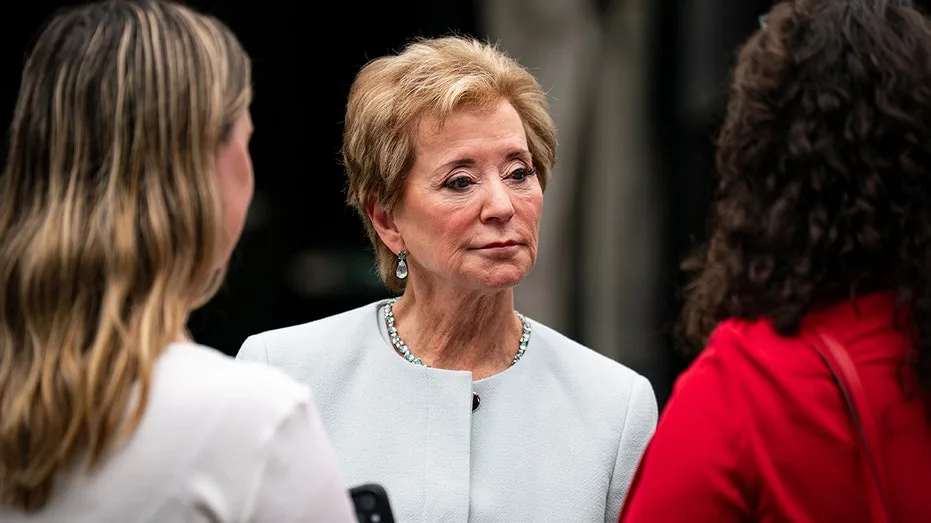
U.S. Education Secretary Linda McMahon is making a concerted effort to demonstrate that the federal agency she leads, the Department of Education (ED), is no longer essential, with plans to ultimately dissolve it. Her strategy involves transferring key responsibilities to other government bodies, a move she hopes will persuade Congress to support the department's closure. This initiative aligns with a broader commitment made by Donald Trump during his 2024 presidential campaign, where he pledged to eliminate the ED, later issuing an executive order to begin its dismantling.
Reallocating Federal Education Functions
As part of this significant restructuring, the Department of Labor (DOL) has assumed a prominent role in overseeing the daily operations of several critical programs. These include adult education, family literacy, and career and technical education (CTE) initiatives, all managed under the Workforce Innovation and Opportunity Act (WIOA) and the Perkins Act. Secretary McMahon noted that this transfer of responsibilities began with a substantial portion of the department's work.
While the Department of Labor now manages these operational duties, the Department of Education maintains its statutory oversight responsibilities, focusing on shifting services directly to states and grant recipients. McMahon outlined her vision for this reallocation process, stating, "It started first with CTE — Career and Technical Education — then K–12 and finally higher education as well."
The Secretary emphasized her objective to demonstrate to lawmakers that federal support for students will remain robust and uninterrupted, even without a dedicated Cabinet-level department. "I've asked Congress with this proof of concept in these interagency agreements: 'Let me prove to you that it works,'" McMahon explained.
In another key step, the Education Department established a partnership with the Department of the Treasury. This collaboration involves the Treasury taking over essential functions related to federal student loans and the collection of defaulted debt. Both the student loan initiative with the Treasury and the workforce programs transferred to the DOL are components of a broader series of interagency agreements. According to officials within the Department of Education, these initiatives are designed to serve as a "proof of concept" for Congress, illustrating that vital federal education functions and funding streams can be successfully reallocated across various executive branch agencies without causing disruption.
McMahon expressed her confidence in the efficacy of these changes, stating, "Ultimately, Congress has to vote if we do close the Department of Education, and if I, in fact, am able to fire myself. Hopefully, they will vote [for it], because I believe the outcome will be better for students, and that is the goal. That is certainly the president's goal."
Streamlining Operations and Empowering States
Secretary McMahon has consistently argued that certain programs within the Department of Education either duplicate efforts found in other agencies or could be handled more effectively elsewhere. "Some of the programs in the Department of Education were being duplicated in other agencies or handled better elsewhere," she commented, advocating for greater efficiency. "So, let's be efficient. Let's make sure the money gets where it needs to go, let's measure that by student outcomes and let's hold teachers and administrators accountable for what they're doing."
During a prior government shutdown, McMahon asserted that the ED primarily functions as a conduit for federal funding, suggesting that its day-to-day operations are not essential. She elaborated, "Primarily, the money was passed through the Department of Education to then get to the states and local authorities for education."
Further underscoring efforts to reduce federal bureaucracy, the Education Department announced earlier in the year its relocation from the Lyndon B. Johnson Department of Education building. This move facilitated the Department of Energy's occupancy by August and was described by officials as "a prudent step to save hundreds of millions of taxpayer dollars and further reduce the federal education bureaucracy."
The administration is also actively working to diminish the department's overall federal footprint by returning increased authority to individual states. To this end, the ED initiated a new process allowing states to request greater flexibility in how they utilize federal education funds, thereby reducing administrative burdens. Iowa became the first state to engage in this new initiative.
In July 2025, the Department of Education formally encouraged states to apply for this waiver through a letter. The waiver is intended to grant state education officials more autonomy over federal dollars and significantly lower compliance costs associated with federal regulations.
Related Stories
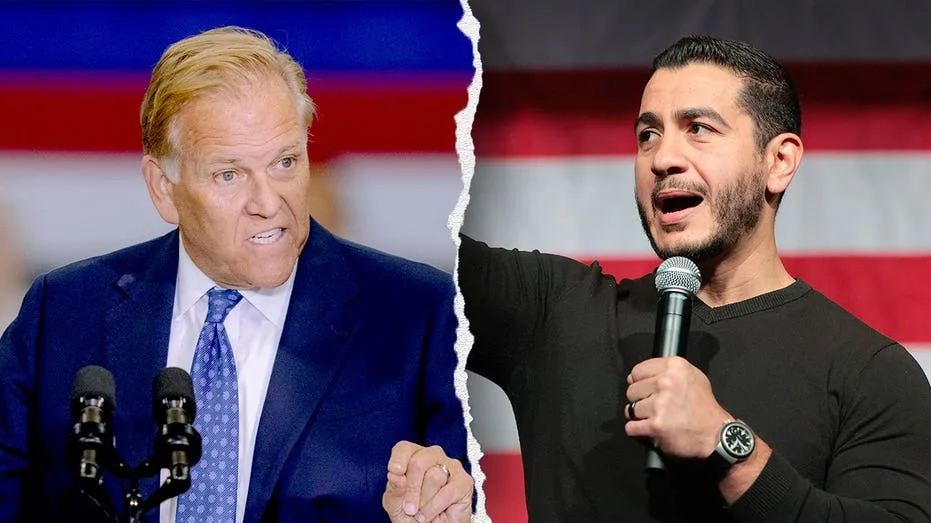
Michigan Senate Race Heats Up as Rivals Clash Over Muslim Brotherhood Allegations and Policy Stances
A heated exchange between Michigan Senate candidates El-Sayed and Rogers centered on accusations regarding the Muslim Brotherhood. El-Sayed denied any affiliation, while Rogers maintained concerns about his ideology.
Oct 24
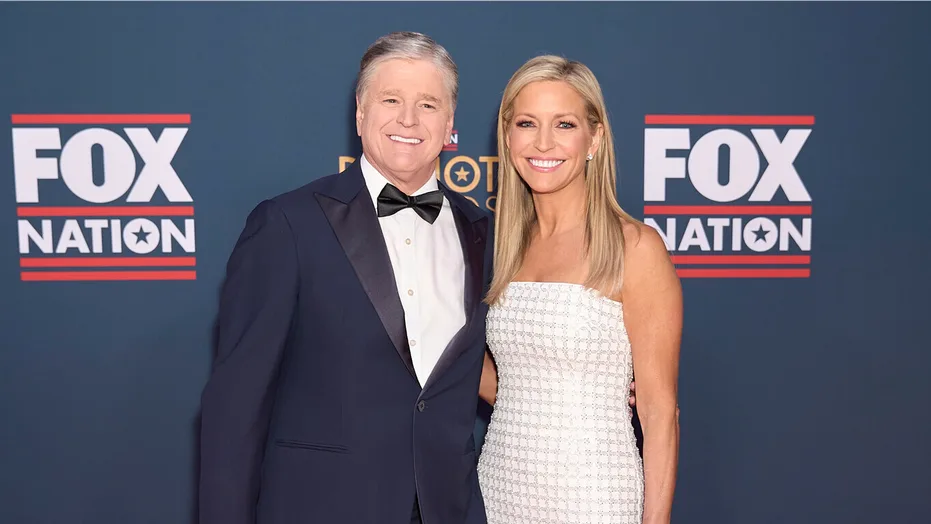
Ainsley Earhardt and Sean Hannity Host Mar-a-Lago Celebration Ahead of Wedding
Ainsley Earhardt and Sean Hannity recently celebrated their upcoming marriage with a special gathering at Mar-a-Lago. The event brought together loved ones and prominent guests, including former President Donald Trump,
Oct 24
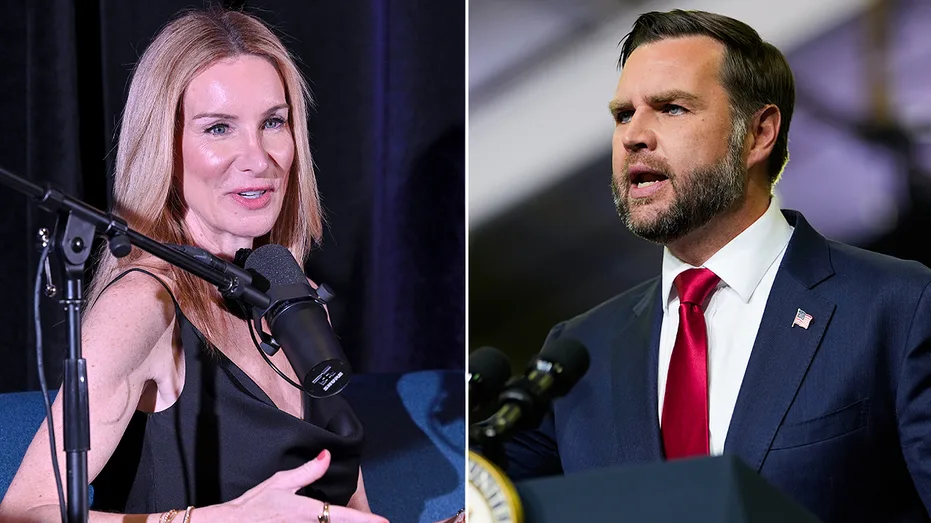
Podcaster Calls for 'Pistols Firing' Against JD Vance, Sparks Social Media Outcry
Podcaster Jennifer Welch has ignited controversy with remarks targeting Vice President JD Vance, advocating for his political defeat and urging sustained aggressive action. Her statements, which included personal
Oct 23

Representative Ilhan Omar Suggests Home Raid Intended to Suppress Voter Participation
Representative Ilhan Omar stated Wednesday night that the recent raid on her Washington, D.C., home was an attempt to "intimidate and scare people" away from voting. The Homeland Security investigation focuses on
Oct 22