Senator Wyden's Proposed Data Center Tax Draws Criticism Over Potential Consumer Costs
Senator Ron Wyden, the leading Democrat on the Senate Finance Committee, has put forward a plan to tax data centers, which opponents warn could lead to increased expenses for nearly all Americans.
Politics·
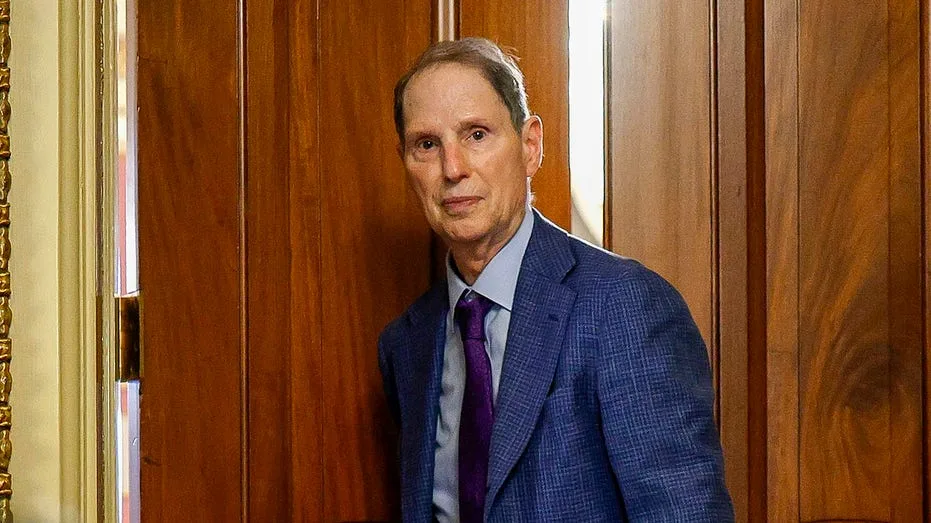
The ranking Democratic member of the Senate Finance Committee, Senator Ron Wyden of Oregon, has introduced a concept to increase taxation on data centers. Critics contend that such a measure could escalate the cost of various services utilized by virtually every individual in the United States.
Last week, Senator Wyden unveiled a white paper outlining his proposal, which advocates for discontinuing current tax incentives for data centers and implementing a continuous tax on these facilities operating across the nation. Those who oppose Wyden's plan argue that any new tax liabilities would ultimately be passed on to American consumers, resulting in higher prices for widely used digital services.
"This tax will be paid by anyone who uses the internet. A tax on data centers is a tax on your email, family photos, small business operations, cloud storage, and your Instagram, X, TikTok and Facebook posts," stated James Erwin, director of innovation technology at Americans for Tax Reform. "Senator Wyden is betraying his legacy as a champion of a free and open internet accessible to all."
Americans for Tax Reform has characterized Senator Wyden's initiative as a "national internet tax."
Defining the Scope and Potential Exemptions
Wyden's white paper acknowledges the complexities inherent in applying a tax to data centers, given their pervasive nature and extensive usage. The document describes a data center as a facility primarily housing electronic equipment for the processing, storage, and transmission of digital information. It notes that these facilities may be standalone or integrated within larger structures, typically featuring environmental control systems to maintain optimal operating conditions for the equipment.
The white paper specifies that this definition is broad, necessitating the development of "carveouts" to ensure the tax targets data centers as commonly understood, rather than inadvertently affecting ancillary operations.
To address this challenge, Senator Wyden suggests excluding "internet infrastructure" from his proposed tax. However, the proposal does not elaborate on the precise meaning of this term or specify which types of facilities would fall under this exemption. Notably, the paper indicates that cloud computing, a critical component of internet infrastructure relied upon by numerous industries, would not be exempt from this proposed tax.
Beyond eliminating various tax incentives, Wyden's proposal would impose a "low single-digit" annual tax on the gross receipts of data center owners, rather than on their profits.
Rationale and Broader Implications
Senator Wyden has cited concerns such as land use, local power consumption, and local water usage as the primary motivators behind his new tax proposals. Interestingly, his plan also extends to advocating for the taxation of data centers constructed in Earth's orbit.
Wyden's initiative diverges from former President Donald Trump's stated goal of accelerating artificial intelligence development and expanding the necessary infrastructure to support it. While Senator Wyden aims to prioritize assistance for workers and communities impacted by data center construction, the Trump administration has emphasized sustaining economic growth and ensuring the United States maintains a technological advantage over countries like China.
Despite its potential impact, the Oregon senator's approach is less stringent than calls for a complete moratorium on data center construction, a position advocated by figures such as Senator Bernie Sanders (I-Vt.) and Representative Alexandria Ocasio-Cortez (D-N.Y.).
Related Stories
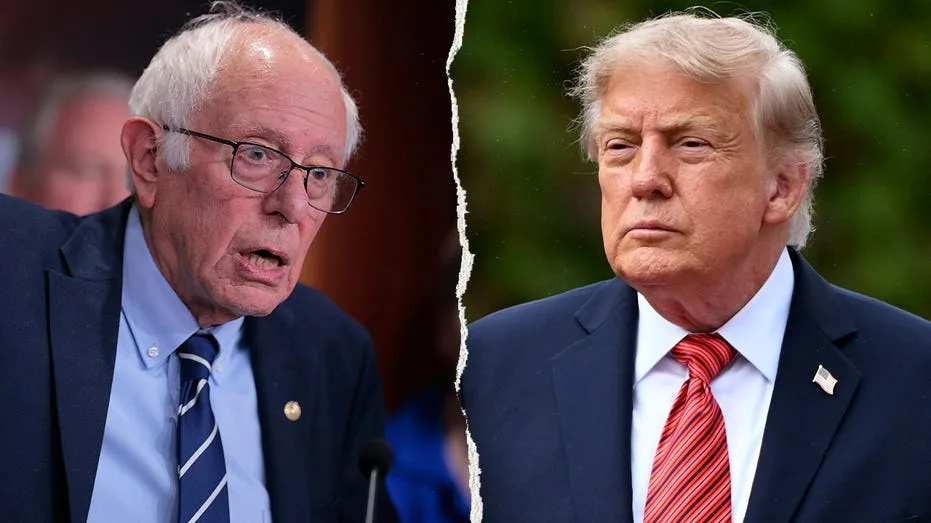
Senator Sanders Urges Democrats to Prioritize Economic Issues Over Extensive Trump Probes
Senator Bernie Sanders cautioned Democrats against dedicating too much time to investigations into the Trump administration, emphasizing the urgent need to address economic challenges. He advocates prioritizing
Nov 9

Cranbury Township Reveals $26 Million Financial Theft Amid Post-Election Controversy
Cranbury Township in New Jersey recently announced a $26 million financial theft that occurred weeks earlier, drawing criticism from residents. The revelation, made after local elections, has led to calls for greater
Nov 8
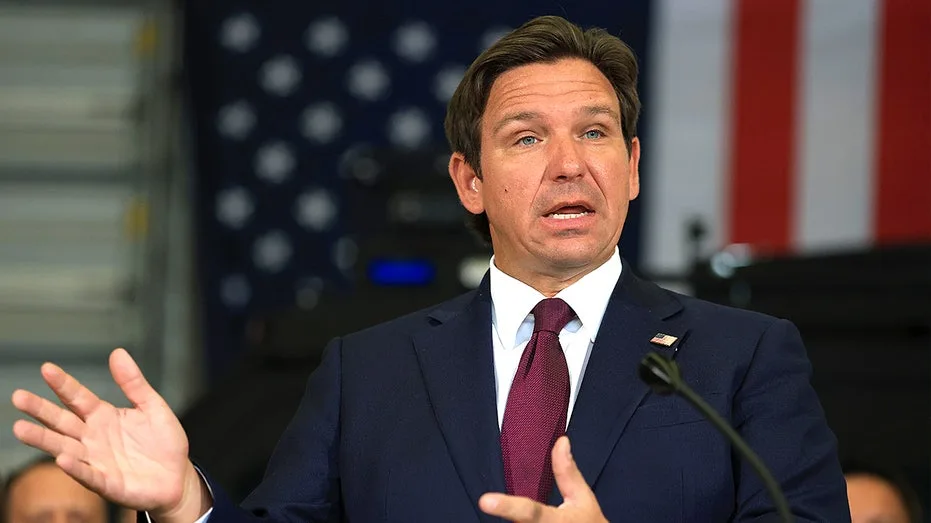
Florida Governor Ron DeSantis Rejects Report Alleging 2028 Presidential Preparations
Florida Governor Ron DeSantis has vehemently denied a report suggesting he is preparing for a 2028 presidential campaign. He characterized the claims, which cited anonymous sources and mentioned outreach to political
Nov 7

United States Offers $20 Million Reward for Intelligence on Iranian Nuclear Activities
The United States has announced a reward of up to $20 million for details concerning Iran's nuclear program, including scientists, technologies, and associated entities. This initiative comes as President Trump weighs
Nov 7